A practical path from idea to market.
Launching a new food product involves more than creating a recipe. The formulation, ingredients, suppliers, manufacturing process, packaging, regulatory requirements, economics and production strategy ultimately have to work together. Our development process is designed to address those considerations in a logical sequence.
Concept & Product Requirements
Every project begins by defining what the product is supposed to accomplish.
Depending on the concept, requirements may include
- Flavor and texture
- Product appearance
- Nutritional targets
- Protein or functional ingredients
- Clean-label objectives
- Ingredient restrictions
- Allergen requirements
- Cost objectives
- Package size
- Target consumer
- Intended sales channels
- Expected production volume
- Certification objectives
- Reference products
- Future manufacturing requirements
Priorities vary from product to product. One project may prioritize exceptional flavor; another may require specific nutritional targets, ingredient restrictions, certifications or cost parameters. We establish those priorities before development begins and evaluate whether the concept appears commercially practical.
Benchmark Development & Testing
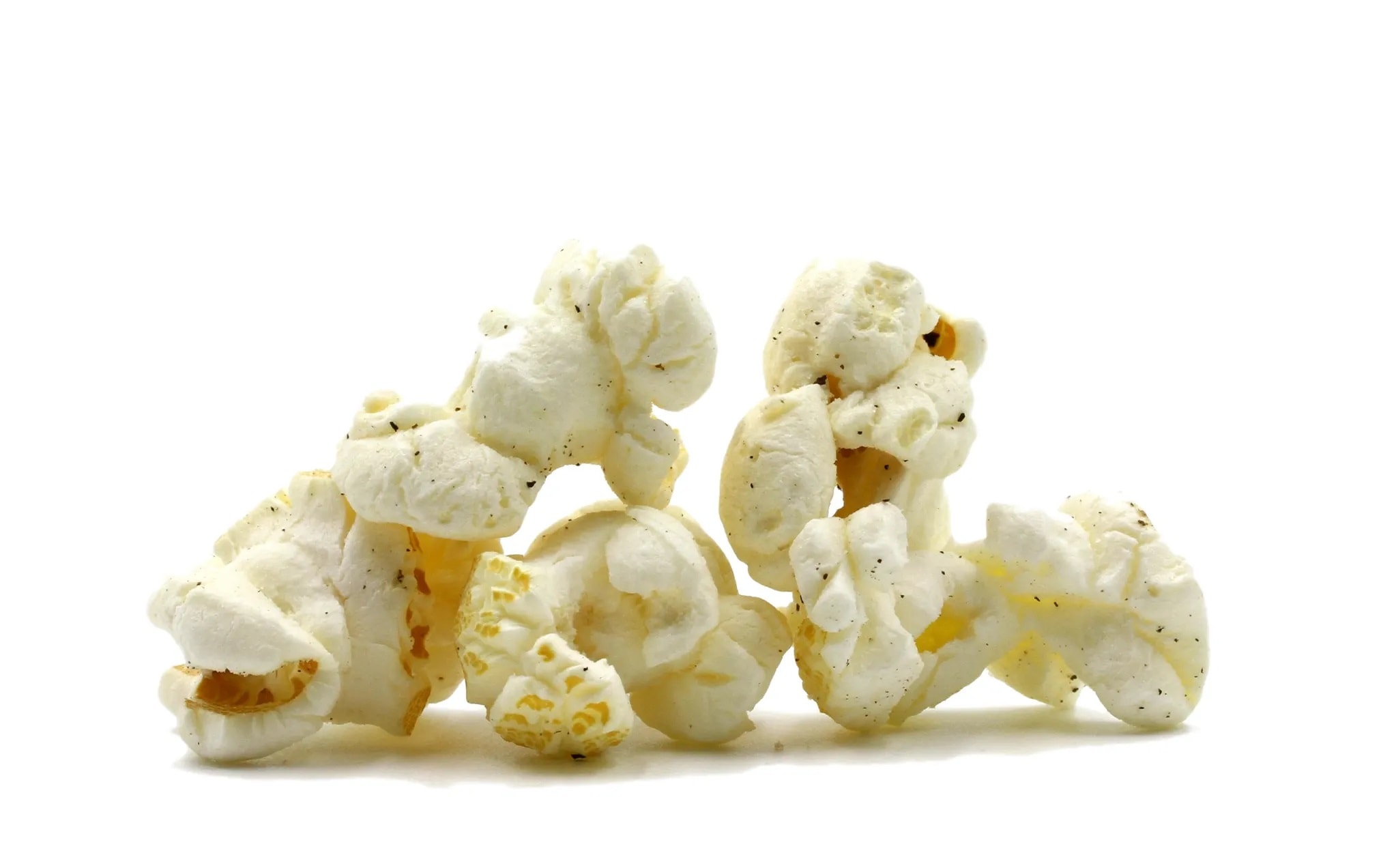
Once the product requirements are established, development begins. We create the product through an iterative series of controlled development tests — requirements, test, evaluate, adjust, test again. Depending on the complexity of the product, development may involve numerous iterations before the desired result is achieved.
Throughout development, we evaluate and refine
- Ingredient selection
- Ingredient ratios
- Seasoning systems
- Oils and carriers
- Coating and adhesion
- Sweetener systems
- Functional ingredients
- Protein incorporation
- Nutritional targets
- Flavor intensity
- Texture
- Appearance
- Commercial ingredient sourcing
- Supplier availability
- Manufacturing methods
- Cost considerations
Commercial manufacturability is considered throughout development. We don't develop a laboratory formula first and determine how to scale it later — ingredients, suppliers, formulation and manufacturing requirements are evaluated with commercial production in mind from the first test.

Final Benchmark Approval
Development continues until the client approves the final development sample. That approved sample becomes the product benchmark.
The benchmark establishes the target product characteristics
- Flavor
- Texture
- Appearance
- Coating
- Ingredient profile
- Nutritional objectives
- Overall product experience
The benchmark becomes an important reference throughout commercialization and future manufacturing. The approved development sample establishes the standard the commercial product is intended to reproduce.
Product Documentation, Branding & Packaging
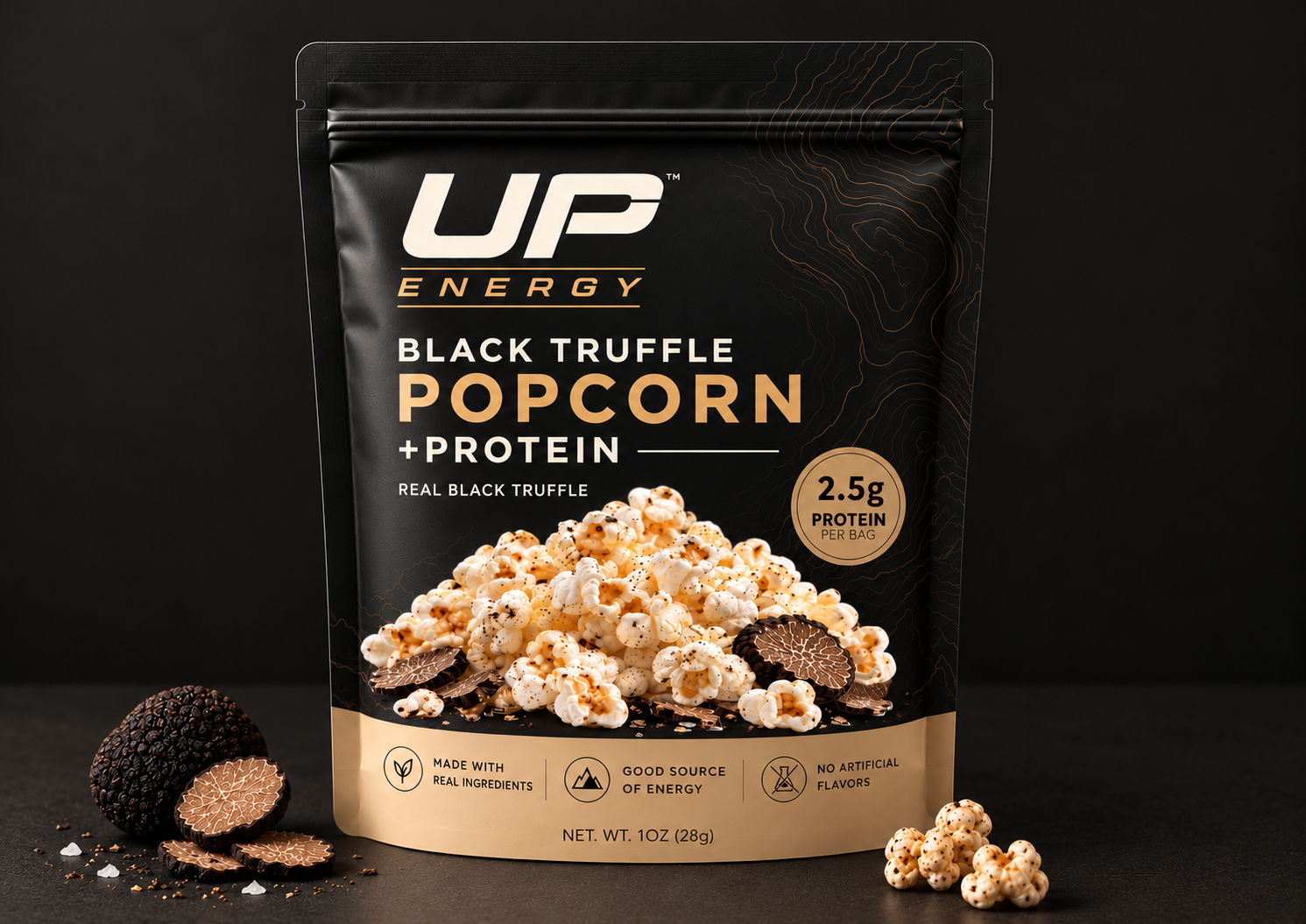
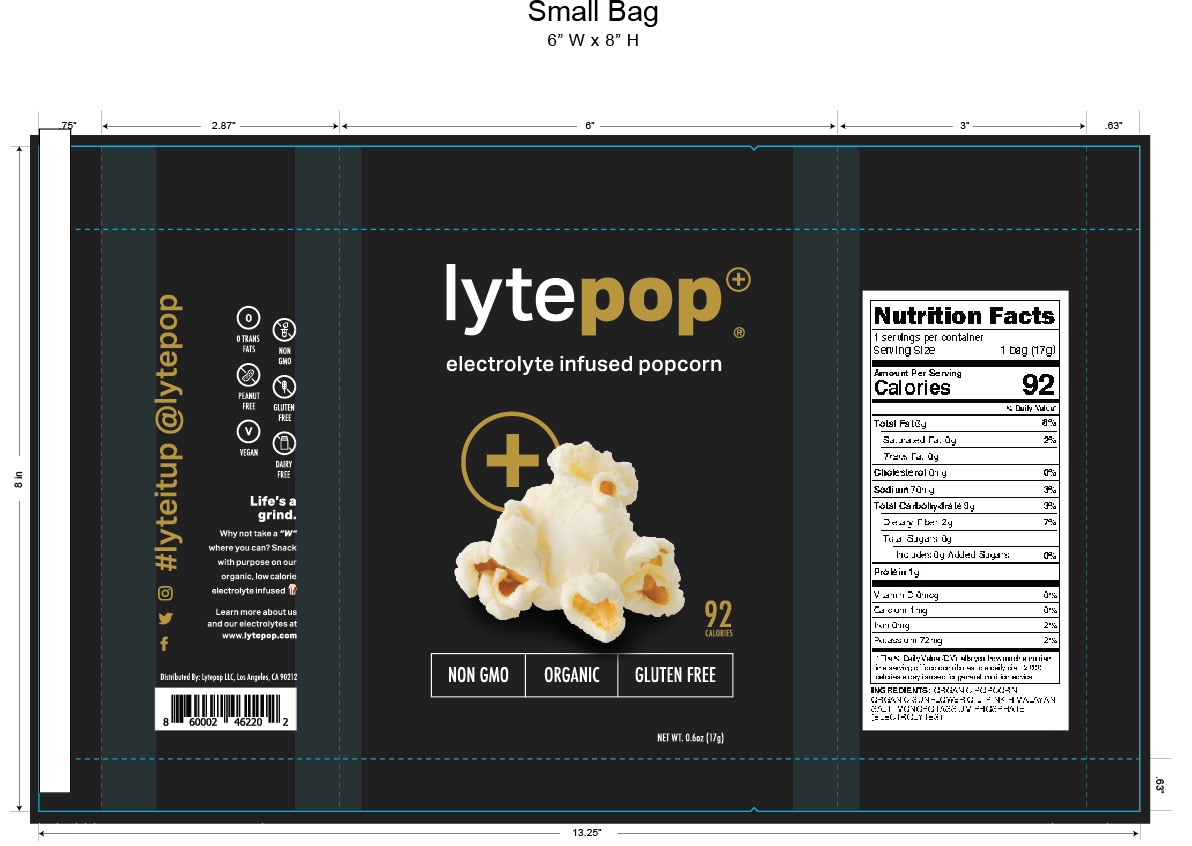
Once the product is established, we can prepare the documentation and packaging required to move toward commercial production. Depending on project scope, services may include:
Product & regulatory documentation
- Nutrition Facts panel
- Ingredient statement
- Allergen declarations
- Net weight requirements
- Product specifications
- Claims review
- Regulatory considerations
- Supplier and ingredient documentation
Branding & packaging development
- Brand and logo development
- Package design
- Package format and sizing
- Packaging material considerations
- UPC / GTIN barcodes
- QR codes
- Lot and date-code considerations
- Print specifications
- Product photography
- Product renderings
- Package mockups
- Flavor-line concepts
- Print-ready artwork
- Digital or physical proofs
The objective is packaging that works not only visually, but also within the practical requirements of commercial production.
Pre-Production Validation
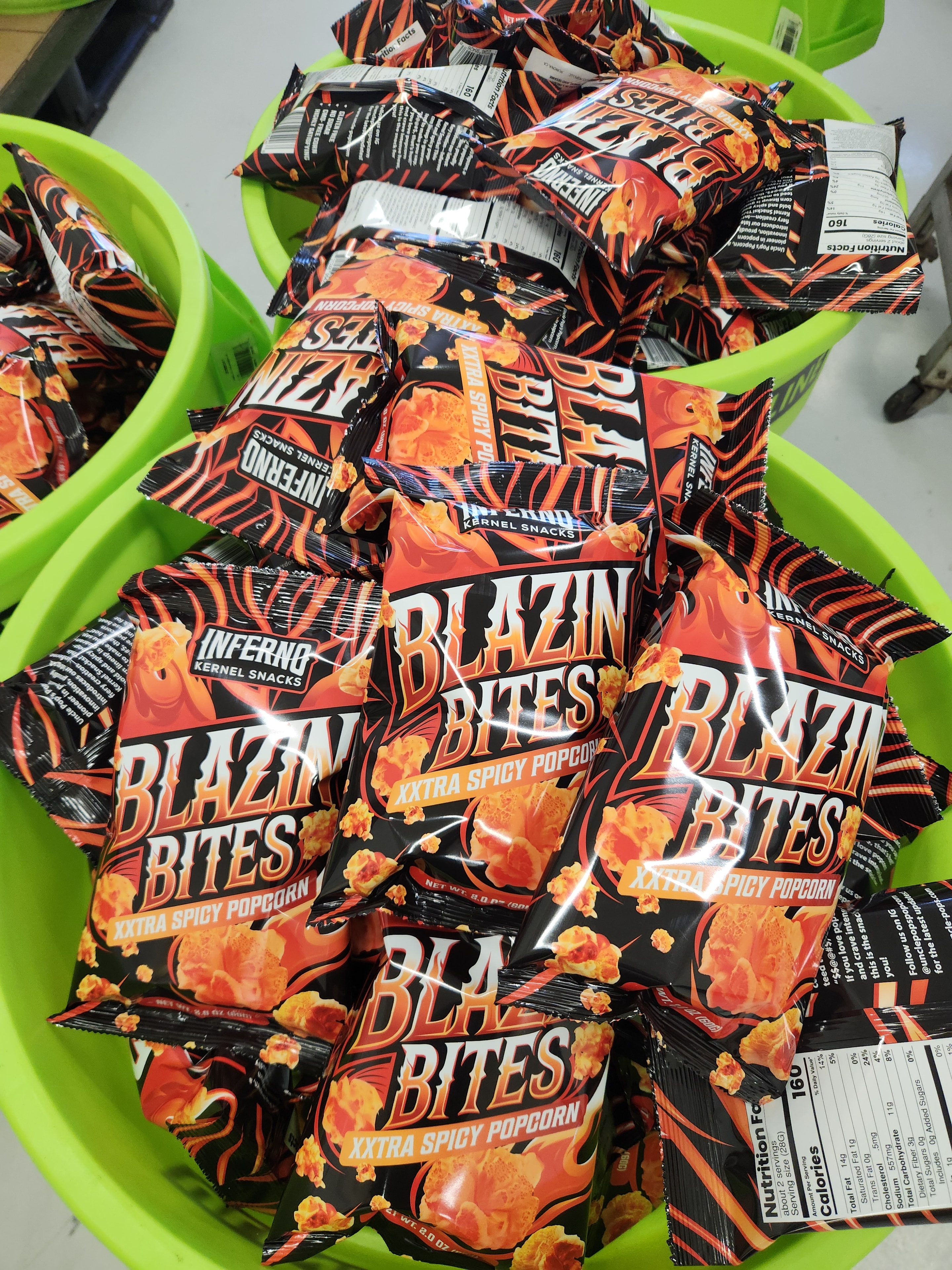
Once the benchmark, commercial ingredients, packaging and manufacturing process are established, the product can move into pre-production validation. This stage brings the complete commercial system together under representative production conditions.
We evaluate
- Commercial ingredients
- Established formulation
- Production process
- Product consistency
- Yield
- Flavor and texture
- Packaging performance
- Finished product appearance
The resulting product is compared against the approved benchmark and product specifications, and necessary adjustments are made before full commercial production. The objective is to verify that the complete production system can produce a product consistent with the approved benchmark.
Commercial Production
Once validation is complete, the product can transition into commercial manufacturing. For appropriate projects, our affiliated Southern California manufacturing operation, Ace CoPack, provides a flexible pathway into commercial production.
Ace CoPack is particularly well suited for brands that need commercial manufacturing without immediately committing to the production requirements of the industry's largest manufacturers. That allows many brands to launch at a realistic scale, establish sales, evaluate consumer response and build production history before making significantly larger manufacturing commitments. Scale should follow demonstrated demand — not precede it.

Launch. Prove. Then scale.
Winning a large retail opportunity and building a sustainable consumer product business are not necessarily the same thing. A product may have an opportunity for significant distribution before the brand has established consumer velocity, repeat orders, production history or the operational infrastructure necessary to support that scale. For many brands, a more practical pathway is:
Develop the product
Establish the formulation, benchmark, specifications, packaging and commercial production requirements.
Launch commercially
Begin production at a scale appropriate for the business and its current sales opportunities.
Establish market performance
Build actual sales history, repeat orders, retailer performance and operational experience.
Scale when the business supports it
As sustained demand develops, evaluate whether larger manufacturing capabilities, additional facilities or specialized certifications are appropriate.
This approach can reduce unnecessary complexity and allow manufacturing requirements to evolve alongside the business.
Manufacturing transition & scale-up support
Moving an established product to a new manufacturing facility can create significant technical challenges. Different facilities may use different equipment, application systems, production sequences and processing conditions — and without a clearly established product benchmark and technical understanding of the product, those differences can change flavor, texture, coating, appearance and overall product quality.
Ace Popcorn Innovations can provide technical support during a manufacturing transition. Depending on the project, this may include:
Our role is to help the new manufacturing team understand the target product and work collaboratively toward reproducing the approved benchmark within their production environment. Once the product has been successfully transitioned and validated, the client and new manufacturer can manage the ongoing production relationship directly. The objective is simple: scale the manufacturing without unnecessarily changing the product that created the opportunity in the first place.
Product ownership & manufacturing continuity
For companies planning significant growth, the ability to maintain control of the product can become increasingly important. Depending on the development program selected, project deliverables may include the final quantitative product formulation, product specifications, benchmark and supporting documentation — a defined product standard that can support future manufacturing decisions.
Ace Popcorn Innovations' proprietary manufacturing methods, equipment designs, production techniques, processes and manufacturing know-how remain separate from the client's product deliverables. This distinction allows clients to establish ownership and portability of defined product information while allowing each manufacturing facility to determine how best to produce the product using its own equipment and processes.
Have a popcorn product idea?
Whether you're starting with an idea, an existing recipe, a prototype or an established product that needs a better commercialization pathway, the first step is understanding what you're trying to create and where you want the product to go.
Start a project